

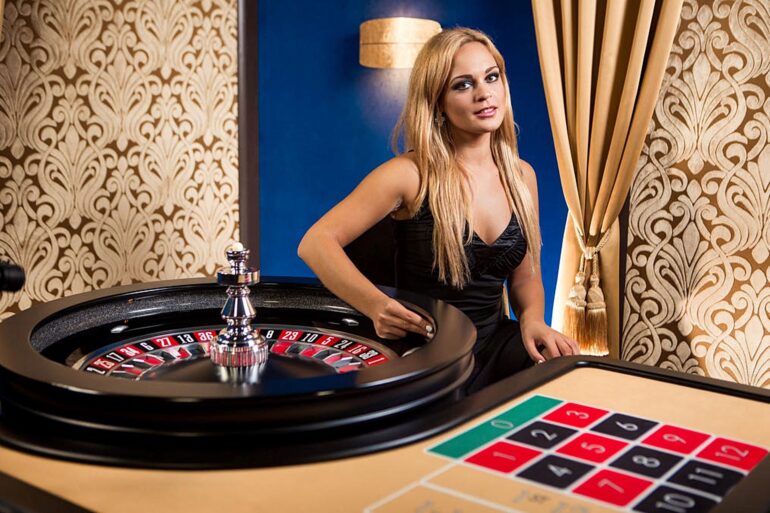
Game shows change the shape of the round for players, while live roulette keeps a fixed wheel and a fixed paytable at the centre. Bonus rounds, spinning prize wheels, and presenter-led segments replace the plain spin that roulette repeats. Money wheels, dice arenas, and board-style games each carry their own round structure, and payouts can shift from spin to spin. By downloading the bitcoin roulette app, it places both families side by side in one menu, which makes the contrast easy to see in a single evening. Roulette rounds run identically from first to last, and game show rounds build toward reveal moments. Players moving between the two feel the difference within minutes.
Betting choices differ between formats
Betting choices form the widest gap between the two formats. Roulette offers a deep grid, from single numbers at 35 to 1 down to even money colours, and a player composes any mix across dozens of positions. Splits, corners, and racetrack sections add further layers, so one round can hold a personal spread of many chips. Game shows trim the menu sharply. Most present a handful of flat options, such as picking a wheel segment or a card outcome, and each round asks for one simple choice. Depth swaps for clarity, and newcomers often start on shows for exactly the simpler decision. Roulette rewards layout knowledge built over sessions, while a show can be learned on the first round. Stake ranges also read differently, since it shows the price of every option from one shared minimum, while roulette lets inside and outside positions carry separate limits.
Payout styles change between formats
Payout styles separate the formats just as strongly. Roulette prints fixed ratios that hold in every round, and a straight number pays the same figure at midnight as at noon. Game shows attach multipliers that change round by round, with bonus segments capable of raising a small stake into a very large figure. Top prizes on shows therefore reach far beyond a roulette straight number, while ordinary show rounds often return less than even money bets do. Variance follows the same split. Roulette sessions move in steady steps, and show sessions swing between quiet rounds and sudden peaks. Published return figures sit close together across both families, so the difference lies in the shape of the payouts rather than their long-term size. Players choose between a flat, predictable curve and a spiky one.
Presenters change the player’s role
Presenter style completes the contrast. Roulette dealers follow a strict procedure, announcing numbers and clearing chips with measured calm. Show hosts entertain, narrating bonus rounds, reacting to results, and speaking to the audience throughout the broadcast. Players on shows watch as an audience first and bettors second, while roulette keeps the player in an active decision seat for every spin. Session tone follows the host, so an evening on shows feels like television with stakes, and an evening at the wheel feels like a card room. Chat energy differs to match, louder on shows and quieter at wheels.
Formats built on one wheel and formats built on spectacle serve two different moods. Rules, menus, payouts, and hosting all shift between them, while balances, fairness systems, and accounts stay shared. Players who know both pick the round shape the evening calls for.