

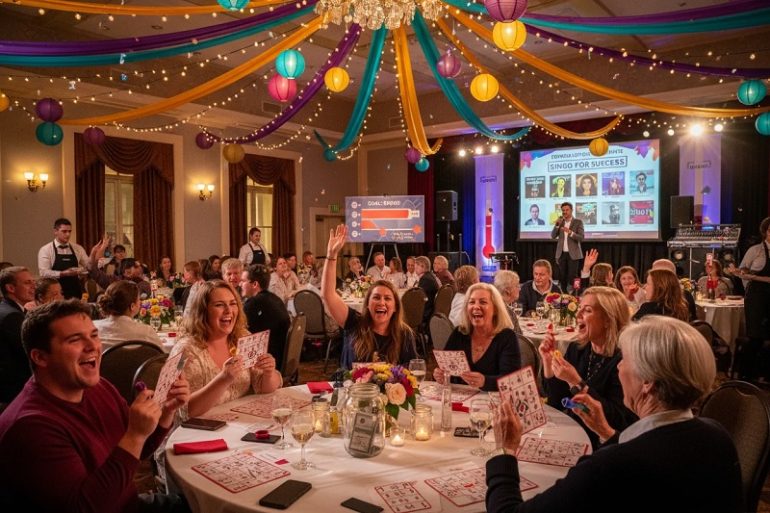
Organizing a successful fundraiser requires a delicate balance of community engagement, entertainment value, and financial return. Whether a local non-profit organization is raising money for youth sports equipment, a community center is funding building renovations, or a charitable foundation is supporting medical research, event planners constantly search for activities that draw crowds and inspire generosity. While traditional galas, silent auctions, and golf tournaments remain staples of the philanthropic calendar, many organizations are discovering that success lies in breathing new life into a classic pastime.
Bingo has undergone a remarkable modern renaissance. Long associated exclusively with dimly lit church basements and quiet retirement community halls, this traditional game of chance has transformed into a high-energy, highly lucrative fundraising vehicle. By combining nostalgia with contemporary social elements, themed events, and competitive excitement, organizers are finding that bingo nights consistently deliver impressive turnout numbers and strong net proceeds. Understanding why this timeless game resonates so powerfully today reveals a blueprint for nonprofit groups looking to maximize their fundraising potential without alienating their supporters.
The Universal Appeal and Accessibility of Bingo
The primary driver behind bingo’s success as a fundraiser is its unmatched accessibility. Unlike golf tournaments that require specialized equipment and athletic skill, or formal charity balls that involve expensive ticket prices and strict dress codes, bingo welcomes virtually everyone. Children, college students, working professionals, and grandparents can sit at the same table, purchase a set of cards, and enjoy an equal chance of winning.
This low barrier to entry creates a welcoming, inclusive environment that fosters genuine community spirit. When planning a community-focused fundraiser, maximizing participation is half the battle. Because the rules of bingo can be explained to a first-time player in less than a minute, attendees spend less time figuring out mechanics and more time socializing, purchasing food and beverages, and buying additional raffle tickets. This ease of play ensures that guests of all ages remain engaged and enthusiastic throughout the entire evening.
Low Overhead and High Profit Margins
From an organizational perspective, the financial viability of any fundraiser depends heavily on the ratio of revenue generated to expenses incurred. High-end galas often carry exorbitant venue rental fees, expensive catering contracts, and costly entertainment overhead that can eat away at the final donation total. If ticket sales fall short, the organization risks breaking even or, worse, losing money.
Bingo offers a refreshing contrast in financial efficiency. The logistical requirements are remarkably straightforward: tables, chairs, bingo cards, markers or daubers, a reliable cage or digital number generator, and a charismatic caller. Because the overhead costs are minimal, a significantly higher percentage of every dollar raised goes directly toward the cause rather than covering administrative expenses.
Revenue streams can also be easily multiplied throughout the event. Beyond the initial admission ticket or card packet sale, organizations can generate secondary income by selling special high-stakes blackout cards, offering food and beverage concessions, hosting 50-50 cash draws, and running small complementary raffles between games. This multi-tiered revenue model ensures a robust financial return even for smaller community groups with modest starting budgets.
Modernizing the Classic Game with Creative Themes
While traditional bingo retains its charm, the modern fundraising circuit thrives on creativity and experiential engagement. Organizations are taking the classic format and injecting imaginative themes that turn a standard game night into an unforgettable social event.
Drag Bingo and Pop Culture Nights
One of the most popular cultural evolutions of the game is the rise of themed bingo nights, most notably drag bingo events hosted by charismatic local performers. These evenings combine the traditional thrill of the game with high-energy comedic banter, dazzling costumes, and vibrant theatrical flair, drawing packed crowds of enthusiastic supporters. Other successful variations include music bingo, where players identify song snippets on their cards instead of listening for numbers, and trivia-infused bingo nights celebrating specific decades or pop culture franchises.
Enhancing Prizes and Community Partnerships
Another way organizers elevate modern bingo fundraisers is by curating enticing prize packages through local business partnerships. Instead of relying solely on small cash payouts, organizations solicit donations from neighborhood merchants, restaurants, spas, and entertainment venues. Winning a round becomes more prestigious when the prize is a gift certificate to a top-tier local bistro or a weekend getaway package, encouraging participants to buy multiple card packs to increase their odds of winning.
Fostering Social Connection and Donor Retention
Fundraising is ultimately built on relationships. A single large donation from a wealthy benefactor is valuable, but sustained organizational health relies on building an active, loyal community of recurring supporters who feel emotionally connected to the mission.
Bingo naturally facilitates this connection through shared suspense and communal celebration. When a table of strangers works together to track numbers, groans in unison when a missed call ruins a potential win, and erupts in cheers when someone finally shouts the winning word, social bonds are forged. Attendees leave the event feeling happy, connected, and positive about the organization that brought them together. This emotional warmth translates directly into higher donor retention rates, turning casual event-goers into passionate, long-term advocates for the cause.
Conclusion
The enduring popularity of bingo in the modern fundraising landscape proves that you do not always need to reinvent the wheel to achieve philanthropic success. By marrying a universally understood game with low overhead costs, creative thematic twists, and an inherently social atmosphere, nonprofit organizations can create engaging events that delight participants and deliver vital financial support. As community groups continue to seek sustainable ways to fund their missions, the classic bingo card remains a powerful ticket to making a meaningful difference.