

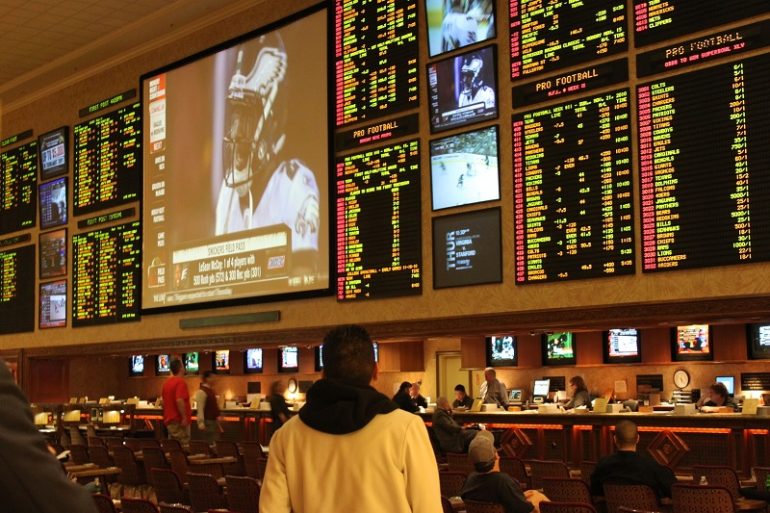
Walk into any modern sports stadium, turn on a televised weekend match, or scroll through a league’s official mobile application, and you will encounter a relentless wave of wagering advertisements. From team jerseys emblazoned with the logos of online sportsbooks to stadium naming rights and in-play odds flashing across giant jumbotrons, the financial architecture of professional sports has undergone a staggering transformation. Betting partnerships have swiftly replaced traditional sponsors like automotive manufacturers and consumer electronics brands, injecting billions of dollars into athletic organizations across the globe.
While this influx of capital has fueled unprecedented revenue growth for leagues, franchises, and broadcasting networks, it has simultaneously ignited an intense ethical debate. The marriage between professional sports and the gambling industry raises profound questions about the integrity of competition, the normalization of betting among vulnerable demographics, and the long-term societal cost of turning fandom into a continuous wagering opportunity. Examining this complex relationship requires looking past the immediate economic windfalls to understand the multifaceted impact these partnerships have on athletes, fans, and the soul of sports itself.
The Economic Engine Driving Modern Sports Partnerships
To grasp why betting sponsorships have become so ubiquitous, one must first look at the financial realities facing modern sports organizations. Following decades of shifting media consumption habits, traditional broadcast television revenue models have evolved. Leagues and teams constantly seek diversified income streams to cover skyrocketing player salaries, stadium construction costs, and digital expansion initiatives.
Sportsbook operators, flush with capital following the expansion of legal sports betting in various jurisdictions, recognized early on that athletic leagues represented the ultimate marketing vehicle. For a betting platform, partnering with an iconic franchise or a major league provides immediate brand legitimacy, mass-market visibility, and direct access to an audience deeply invested in the outcome of games.
These deals extend far beyond simple logo placement on stadium signage. Contemporary sports betting sponsorships involve deep data-sharing integrations, official league data feeds supplied directly to sportsbooks, and co-branded digital applications that allow fans to place wagers with a single tap while watching a live game. For cash-strapped lower-tier leagues and independent clubs, these sponsorship dollars have often meant the difference between financial solvency and operational collapse. Yet, this heavy reliance on gambling revenue creates a precarious financial ecosystem where sports organizations become inextricably linked to the commercial success and regulatory compliance of the betting industry.
Integrity of Competition and Athlete Welfare
Beyond the balance sheets, the most pressing ethical concern surrounding sports betting partnerships involves the fundamental integrity of athletic competition. Professional sports derive their cultural value from uncertainty; fans tune in because the final score is genuinely unknown, and the contest is decided by athletic merit, strategy, and sheer will.
When sportsbooks sponsor leagues, broadcast commentators discuss live odds during pre-game shows, and ticker tapes display real-time point spreads, the psychological relationship between the viewer and the game shifts subtly. While match-fixing and corruption scandals have plagued sports long before the digital betting boom, the sheer volume of real-time wagering opportunities creates new vulnerabilities. Lower-level athletes, referees, and support staff facing financial pressures can become targets for illicit actors looking to manipulate micro-events within a game, such as a deliberate yellow card or a specific point margin.
Furthermore, the welfare of the athletes themselves is frequently overshadowed by commercial pressures. Modern players are subjected to relentless scrutiny on social media from frustrated bettors who have lost money on a parlay. Abuse directed at athletes following a missed shot, a dropped catch, or a subpar performance has surged in tandem with the rise of online betting. Leagues and player unions face an uphill battle in shielding competitors from harassment while simultaneously accepting millions of dollars from the very companies facilitating those wagers.
The Normalization of Gambling Among Vulnerable Audiences
Perhaps the most significant societal impact of pervasive betting sponsorships is the rapid normalization of gambling, particularly among younger demographics. Historically, sports fandom was passed down through family traditions, team loyalty, and shared emotional experiences. Today, children and teenagers growing up watching professional sports are conditioned to view wagers not as an occasional adult pastime, but as an inherent component of the viewing experience.
The Blur Between Fandom and Financial Speculation
When broadcast networks seamlessly integrate live betting odds into pre-game analysis, the language of sports changes. Pundits no longer discuss just tactical formations or player health; they dissect point spreads, over-under lines, and prop bets. For a young fan watching their favorite team, this constant commentary normalizes financial risk-taking.
Research into public health trends indicates that exposure to high-frequency advertising correlates with increased rates of problem gambling among adolescents and young adults. Unlike traditional vices such as tobacco or alcohol, which faced strict advertising limitations and public health campaigns, sports betting has been marketed as a form of casual entertainment and interactive skill testing. The friction of placing a bet has been reduced to almost zero, making it dangerously easy for impulsive behavior to develop into financial distress.
Regulatory Responses and Corporate Social Responsibility
In response to growing public concern, regulatory bodies and sports leagues in various regions are beginning to reevaluate the boundaries of acceptable advertising. Some jurisdictions have implemented watershed bans on gambling commercials during daytime sports broadcasts, while others have restricted the appearance of betting logos on youth-sized replica jerseys.
Responsible gambling messaging has become mandatory in commercial slots, though critics often argue that phrases like “please gamble responsibly” serve as superficial compliance measures rather than genuine deterrents. True corporate social responsibility requires sports organizations and betting operators to invest meaningfully in addiction prevention, education, and support services, acknowledging that the glamorization of sports betting carries heavy real-world consequences for vulnerable individuals and families.
Navigating the Future of Sports and Wagering
The financial genie cannot be put back into the bottle. Betting sponsorships have injected capital that has elevated production values, expanded women’s sports leagues, and modernized stadium infrastructure. Completely untangling professional sports from the gambling industry is neither realistic nor financially viable for most major organizations.
Instead, the path forward demands a mature balancing act centered on strict regulatory oversight, ethical boundaries, and a renewed commitment to protecting the core values of athletic competition. Leagues must establish clear firewalls between official governance bodies and commercial gambling partners, ensuring that integrity units operate independently and aggressively investigate any suspicious activity.
Broadcasters and sports media outlets also carry a ethical responsibility. Dialing back the relentless integration of live odds during key broadcast moments can help restore the purity of the narrative, shifting focus back to athletic achievement, sportsmanship, and tactical brilliance rather than financial speculation.
Ultimately, professional sports will always rely on emotional resonance. Fans invest their hearts, time, and loyalty into teams because sports offer a rare space for authentic human drama, triumph, and collective joy. Preserving that magic requires ensuring that the business of betting serves the game, rather than letting the game become merely an accessory to a betting slip.